


Introduction to the use of hydrogen production equipment
Release time:
Jan 09,2022
Water is a substance rich in hydrogen, followed by various fossil fuels such as coal, oil, natural gas, and biomass. Therefore, in the long run, producing hydrogen from water is a promising method, as the raw material is inexhaustible, and the product after hydrogen combustion releases energy and turns back into water, causing no pollution to the environment. Currently, the main method of hydrogen production is through fossil fuels, but their reserves are limited, and the process not only consumes energy but also pollutes the environment.
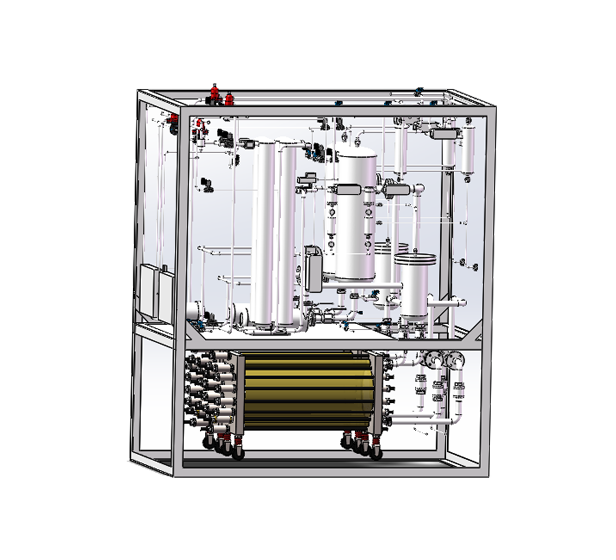
Currently, other methods of hydrogen production from various hydrogen-containing substances are still in a secondary position, and some are under research and development. However, as the application range of hydrogen energy continues to expand and the demand for hydrogen sources increases, these methods could also be considered as viable options for hydrogen supply. Moreover, with the advancement of technology, new hydrogen production methods are constantly emerging.
A hydrogen production facility utilizes advanced PSA (Pressure Swing Adsorption) principles. Through the adsorption capacity of the adsorbent in the adsorption tower under a certain pressure, different gases are adsorbed to varying degrees, enabling the separation of high-purity hydrogen from the ammonia synthesis gas mixture.
Key words:
Related News
Contact Us
Landline:+86-0755-82967058,+86-0755-82967036
Fax:+86-0755-82967080
E-mail:fly_aline2000@aliyun.com
Address: East Block, CLE Information Building, No.1 News Road, Futian District, Shenzhen

Watch Video]

contact us]