


How does the hydrogen generator continue to add water?
Release time:
Mar 02,2022
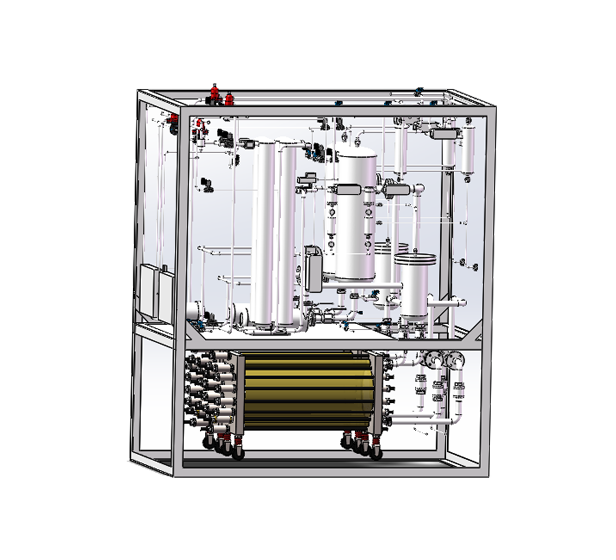
The hydrogen generator consists of components such as an electrolytic cell, a pure water tank, a hydrogen/water separator, a collector, a dryer, sensors, a pressure regulating valve, a switching power supply, and other parts. The hydrogen generator is a safe, convenient, and typically more cost-effective alternative than using high-pressure hydrogen cylinders. It provides hydrogen of consistent purity, eliminating the risk of changes in gas quality that could affect analytical results. The hydrogen generator is an environmentally friendly substitute for gas cylinders because, once installed, the generator does not need to be moved out of the laboratory, providing gas for laboratory applications, with all maintenance carried out in the laboratory. The generator also reduces your laboratory's carbon footprint as there is no need for trucks to deliver replacement cylinders and remove empty ones.
Laboratory operators must first receive training on hydrogen and hydrogen generators to ensure they are qualified for normal operation. Do not operate the instrument without proper training to avoid damage to the instrument or risks to personnel safety. Operators should take certain precautionary measures when using hydrogen generators to prepare for unexpected events.
Some users have asked me how to continuously add water to a hydrogen generator without affecting its work efficiency and hydrogen purity. This actually depends on your hydrogen generator. Some hydrogen generators have automatic water replenishment systems, and in such cases, you only need to connect them to deionized water that meets the required specifications. If there is no water replenishment system, then you will need to manually add water after a certain period of time. The deionized water added must first meet the requirements of the generator manufacturer. When adding water, minimize contact with the outside environment to ensure the purity of the deionized water. The purity of the deionized water is related to the lifespan of the generator. Whether it specifically affects the purity of the produced gas depends on the principle and design of the generator.
Key words:
Related News
Contact Us
Landline:+86-0755-82967058,+86-0755-82967036
Fax:+86-0755-82967080
E-mail:fly_aline2000@aliyun.com
Address: East Block, CLE Information Building, No.1 News Road, Futian District, Shenzhen

Watch Video]

contact us]