


New smart devices: low-cost, high-efficiency use of solar energy to produce hydrogen!
Release time:
Apr 10,2022
Traditional fossil fuels such as oil and coal, which belong to non-renewable resources, take hundreds of millions of years to form and cannot be restored in a short period. With large-scale exploitation and utilization, their reserves will gradually decrease, ultimately facing depletion. Moreover, the combustion of fossil fuels produces a large amount of harmful gases and greenhouse gases, which not only pollutes the environment but also contributes to the greenhouse effect. To reduce dependence on fossil fuels, humans are exploring various new energy sources, such as solar energy, hydropower, wind energy, biomass energy, wave energy, tidal energy, ocean thermal energy difference, and geothermal energy. These energy sources are renewable, inexhaustible, and environmentally friendly.
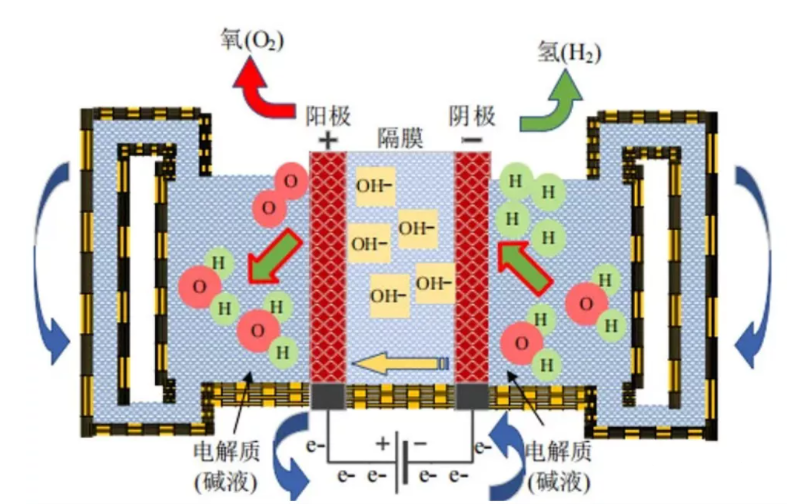
In addition, hydrogen is considered a crucial clean energy source of the new generation. The combustion product of hydrogen is water, which does not cause any pollution to the environment. At the same time, the calorific value of hydrogen combustion is the highest among various fuels. According to measurements, each kilogram of hydrogen releases 1.410^8J of heat, which is more than three times the calorific value of petroleum. Hydrogen can be continuously produced through electrolysis of water using wind or solar energy. The produced hydrogen can be stored for use in hydrogen fuel cell vehicles or converted into electricity based on demand.
However, for researchers, making hydrogen reliable and affordable for large-scale applications is a challenging task. Efficient solar hydrogen production requires rare and expensive materials (for both solar cells and catalysts) to capture energy and then convert it. Recently, scientists from the Laboratory of Renewable Energy Science and Engineering (LRESE) at the École Polytechnique Fédérale de Lausanne (EPFL) in Switzerland have proposed an idea: concentrating solar radiation in a given area in a cost-effective manner to generate large amounts of hydrogen. They have developed an improved photoelectrochemical system that utilizes concentrated sunlight and an intelligent thermal management system to convert solar energy into hydrogen with a 17% conversion rate and unprecedented power and current density. Additionally, their technology is stable and can handle the random and dynamic variations in daily solar radiation. Their research results were recently published in the journal Nature Energy. One of the co-authors of the paper, Saurabh Tembhurne, stated, "In our device, a thin layer of water is used to cool the solar cell. The temperature of the system remains relatively low, enabling the solar cell to perform better."
Key words:
Related News
Contact Us
Landline:+86-0755-82967058,+86-0755-82967036
Fax:+86-0755-82967080
E-mail:fly_aline2000@aliyun.com
Address: East Block, CLE Information Building, No.1 News Road, Futian District, Shenzhen

Watch Video]

contact us]