


Why can't the hydrogen generator produce hydrogen from tap water?
Release time:
Jun 23,2022
A fuel tank with a defined internal space of a rated volume, equipped with a hydrogen exhaust port connected to the internal space; a catalyst containing hydrogen storage material and stored inside the fuel tank, wherein the catalyst is filled within a catalytic reactor. The reactor is equipped with a closed portion that can be used to block contact between the catalyst and the fuel liquid, as well as an open portion that is in contact with the fuel liquid, allowing for active adjustment of whether to generate hydrogen or stop hydrogen generation based on the rise and fall of pressure within the fuel tank.
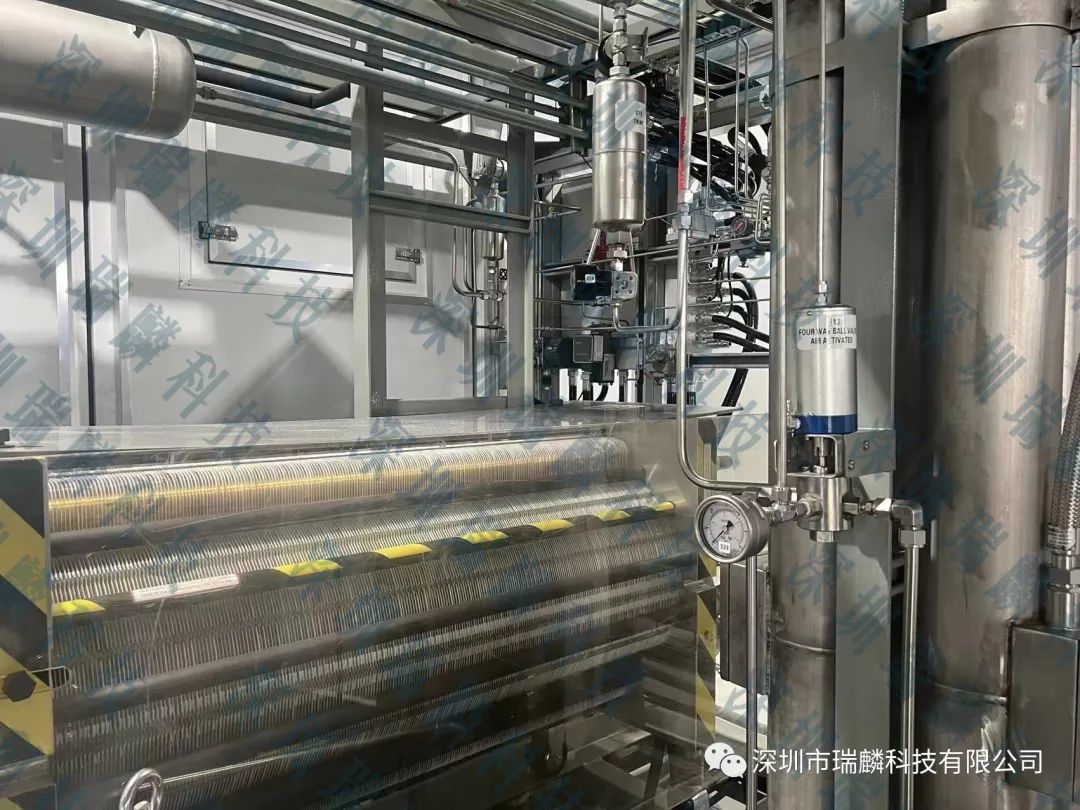
The hydrogen generator is a crucial component in hydrogen fuel cells. It involves a series of electrolysis reactions to produce hydrogen. Typically, after electricity is applied, various components begin their corresponding functions, including electrolysis separation, storage, and other reactions. Then, based on the pressure regulator, it determines whether to stop or release hydrogen, thus completing the charging process for hydrogen fuel cells.
The hydrogen generator requires the use of deionized water as inlet water. Tap water contains high levels of various impurity ions, which can produce by-products during electrolysis, affecting the purity of the produced hydrogen and reducing the service life of the electrodes. Moreover, tap water is often disinfected using strong oxidizing agents such as hypochloric acid, which can be highly corrosive to electrodes and electrolytic cells (especially proton exchange membranes), affecting hydrogen production efficiency and instrument service life.
Key words:
Related News
Contact Us
Landline:+86-0755-82967058,+86-0755-82967036
Fax:+86-0755-82967080
E-mail:fly_aline2000@aliyun.com
Address: East Block, CLE Information Building, No.1 News Road, Futian District, Shenzhen

Watch Video]

contact us]