


One article to take you to understand the correct use of laboratory nitrogen generator
Release time:
Jun 29,2022
Laboratory nitrogen generators are made based on the principle of air separation through electrocatalysis, where the electrolytic cell is designed using the reverse process of a fuel cell. As pressure-stabilized and pure raw air enters the electrolytic cell, oxygen in the air is adsorbed at the cathode and gains electrons, reacting with water to form hydroxide ions that migrate to the anode. At the anode, the hydroxide ions lose electrons and release oxygen, thus continuously separating oxygen from the air, leaving only nitrogen to be output through the gas line.
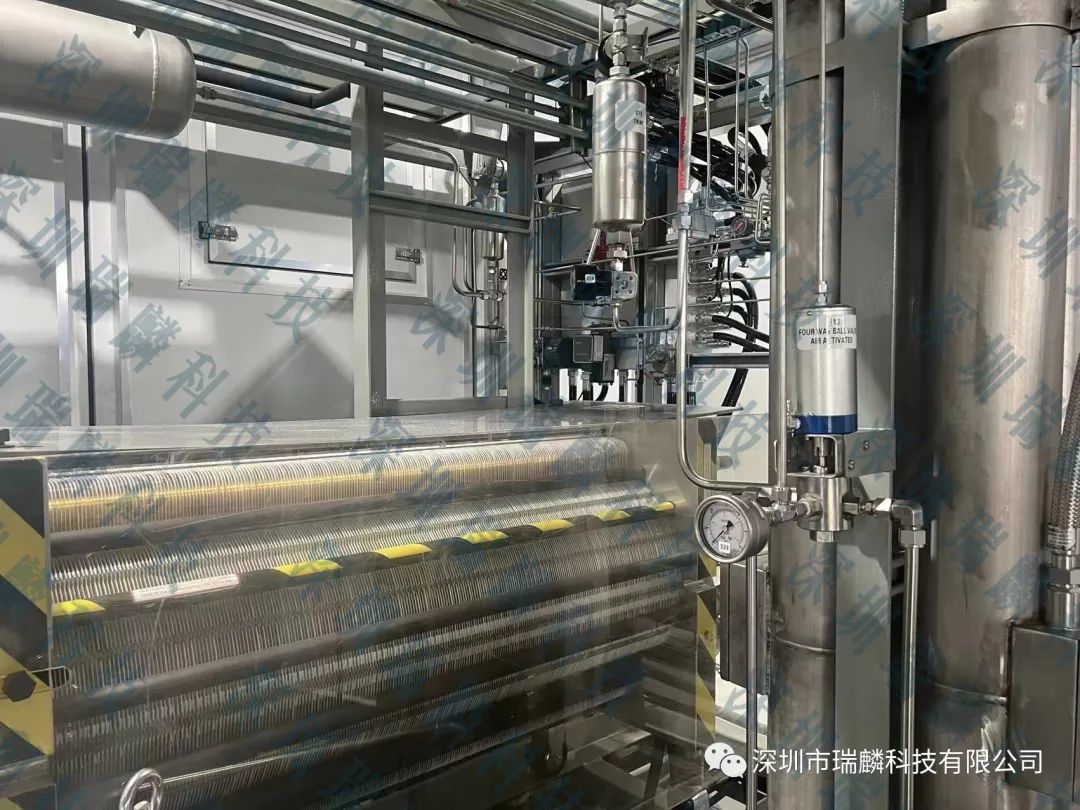
To set up the instrument, unpack the box, remove the instrument, inspect its appearance, and check the packing list. Add electrolyte: dilute and dissolve 150 grams of analytically pure potassium hydroxide (KOH) with about 500ml of distilled water. After cooling, use a funnel to pour the solution into the liquid tank through the inlet, and then add distilled water to near the upper level mark.
Tighten the sealing pressure cap on the nitrogen outlet on the rear panel of the instrument. Remove the sealing pressure cap from the "air input" port on the rear panel, and then connect a φ3mm tube to the air source. Turn on the air supply first, as failure can occur if this is not done. Once the air pressure exceeds 0.4Mpa, turn on the power supply.
To turn on the instrument: Connect the power supply, turn on the switch, and observe the flow rate (venting flow) display. The displayed value should be: ZN300 200-300; ZN500 200-300. Since nitrogen is purging the internal gas lines of the instrument at this time, there is no output nitrogen, and the pressure gauge does not rise. This process is called "venting" and takes approximately 10 minutes.
After the "venting" is complete and the pressure gauge rises to 0.4Mpa (set value), the digital display gradually returns to zero, showing "000" (or "010"), indicating that nitrogen production has stopped and the instrument is functioning normally.
To connect the instrument: After normal startup, first turn off the instrument, remove the sealing pressure cap on the nitrogen outlet, and connect a φ3mm outer diameter tube to the instrument in use, ensuring that the sealing joint is airtight. Then, turn on the instrument again and wait for the pressure to reach the set value before using it.

Key words:
Related News
Contact Us
Landline:+86-0755-82967058,+86-0755-82967036
Fax:+86-0755-82967080
E-mail:fly_aline2000@aliyun.com
Address: East Block, CLE Information Building, No.1 News Road, Futian District, Shenzhen

Watch Video]

contact us]